
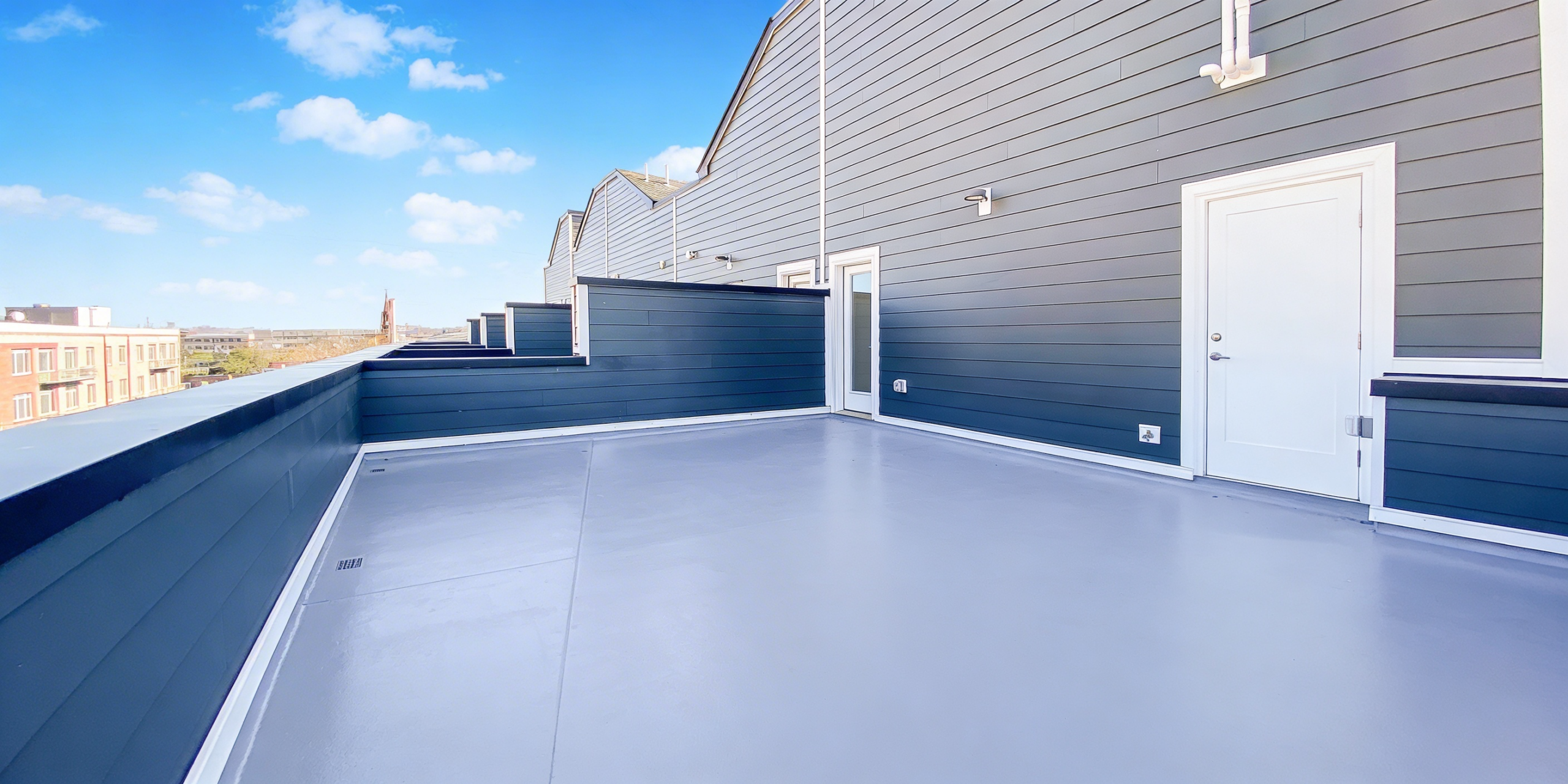
An active roof leak demands immediate professional attention to protect ceilings, plaster walls, and structural joists across Fishtown, Kensington, South Philadelphia, and Brewerytown properties. Water entering a building rarely travels in a straight line down to the ceiling spot below; instead, it trickles along roof joists, insulation, and pipe runs before pooling and dripping into living spaces.
Understanding common leak sources and recognizing early warning signs allows property owners to schedule repairs before structural wood rot or interior mold growth occurs.
Common Sources of Active Roof Leaks in Urban Properties
Roof leaks typically stem from failures at roof penetrations, flashing intersections, and drainage transitions rather than center membrane surfaces:
+——————————————————————-+
| PRIMARY ROOF LEAK SOURCES |
| |
| * Parapet Wall Flashing Failure –> Seeps Down Masonry Joints |
| * Cracked Pipe Boot Collars –> Water Trickles Down Pipes |
| * Blocked Roof Scuppers / Gutters–> Water Backs Up Under Edges |
+——————————————————————-+
1. Compromised Parapet Wall and Step Flashings
Rowhomes share party brick walls topped with parapet caps. When mortar joints crumble or metal counter-flashings pull away from brickwork, wind-driven rain enters behind roof membranes and trickles down interior walls.
2. Deteriorated Vent Pipe Boots and Skylight Seals
Neoprene rubber collars around plumbing vent stacks dry out, crack, and split under continuous UV exposure, allowing rainwater to flow directly down pipe walls into ceiling cavities.
3. Clogged Scuppers and Perimeter Edge Backups
When drainage scuppers or gutter outlets become blocked with leaves, trapped rainwater forms deep ponds along edge seams, forcing water backward under membrane laps.
Property owners dealing with water stains depend on fast roof-leak repair solutions
Warning Signs That Require Immediate Roof Inspection
While active drips are obvious, subtle physical clues point toward hidden water intrusion inside ceiling cavities:
+—————————————————————–+
| ROOF LEAK WARNING SIGNS |
| |
| 1. Brownish Rings or Discoloration on Upper Ceilings |
| 2. Peeling, Blistering Paint Along Top Wall Edges |
| 3. Damp Odors Inside Top-Floor Closets and Alcoves |
+—————————————————————–+
Technical guidance published by the Federal Emergency Management Agency: Wind and Water Intrusion Roof Mitigation → https://www.fema.gov highlights regular flashing inspections and immediate sealing of roof penetrations as primary defenses against storm-driven water damage.
Frequently Asked Questions
Why does a ceiling water spot appear far from where the roof leak actually is?
Water follows the path of least resistance. It often enters a roof membrane breach, runs several feet along a sloped wood joist or electrical conduit, and drips onto drywall at a completely different spot.
Can a leaking roof be repaired while it is actively raining?
Roofers can apply emergency waterproofing mastics, sealants, and temporary reinforced tarps during rainstorms to stop water intrusion immediately, followed by permanent repairs once surfaces dry fully.
Does homeowners insurance cover roof-leak repairs in Philadelphia?
Insurance policies typically cover interior water damage caused by sudden covered events like severe wind or storm damage. However, leaks caused by long-term wear or neglected maintenance are generally not covered.
What should I do inside my home while waiting for a roofing technician to arrive?
Place buckets under active drips to protect floors, move furniture away from wet ceiling areas, and carefully poke a small hole in the center of sagging ceiling drywall to drain trapped water and prevent large ceiling collapses.
Stop Roof Leaks Before Structural Damage Spreads
Do not ignore ceiling water stains or weeping wall flashings in your Fishtown, Kensington, South Philadelphia, or Brewerytown property. Fast, precise leak repairs protect structural roof joists and prevent costly interior restoration work. Contact Philly Roofing LLC today to locate and seal active roof leaks.