
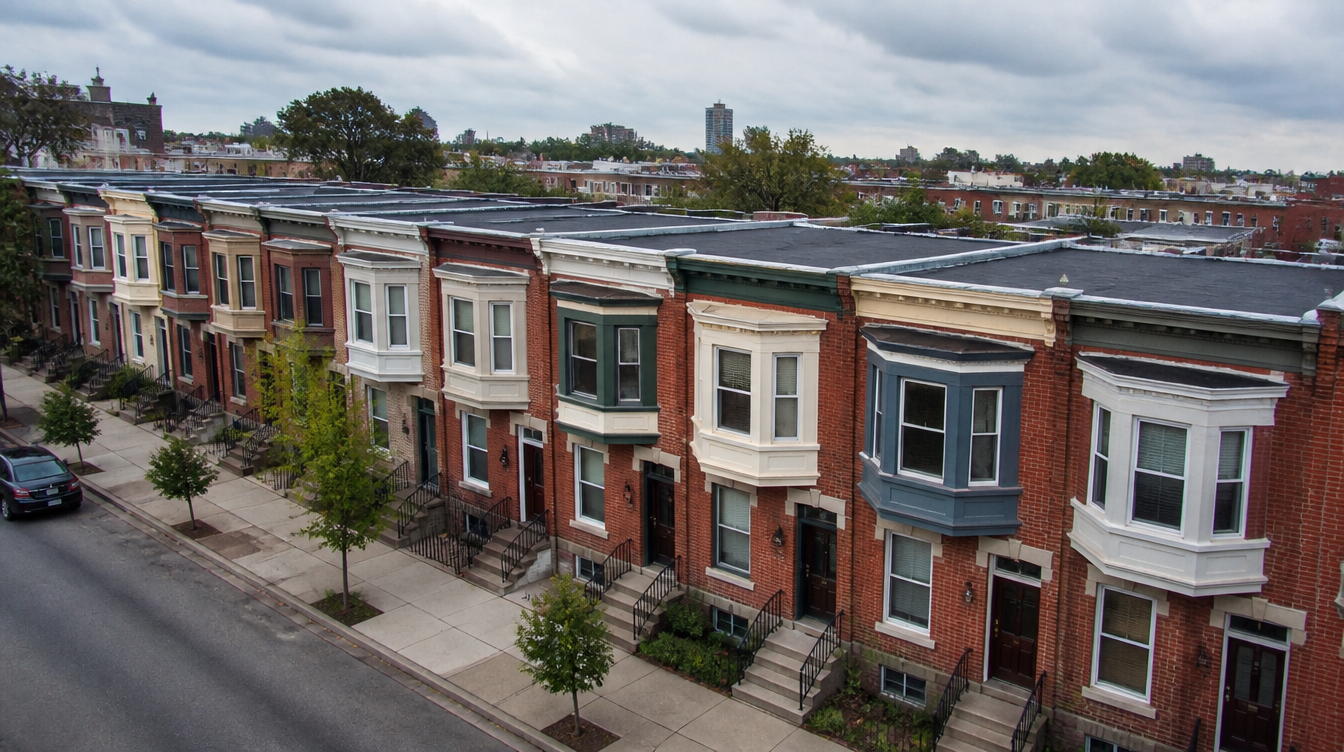
The classic low-slope and flat roofing systems installed across traditional Philadelphia blocks offer incredible urban efficiency, but they also face severe daily structural strains. Unlike sloped suburban shingles that shed water rapidly, flat roofs rely entirely on a seamless, watertight membrane and unobstructed drainage paths to protect the property’s framing. When structural expansion or intense seasonal storms compromise these systems, addressing the failure quickly is vital to eliminate hidden interior moisture tracking.
The Operational Demand of Low-Slope Roofing Systems
Over decades of exposure to extreme urban temperature swings, traditional modified bitumen and rubber roofing materials experience continuous expansion and contraction cycles. This movement puts intense pressure on high-stress connection points, causing coatings to blister or pull away from brick parapet walls.
[Standing Water & Debris] ---> [Thermal Expansion Cycles] ---> [Split Membranes & Cracked Seams] ---> [Active Ceiling Leak]
When these seams split near 19147 and 19125, standing rainwater can easily seep beneath the protective outer layer.
Rather than instantly recommending a complete, expensive roof replacement, an experienced [flat roof repair] specialist uses a detail-oriented approach to isolate structural wear. Applying high-performance, commercial-grade elastomeric coatings and multi-layer fabric patches over compromised joints blocks out active leaks cleanly, extending your roofing life by years without unnecessary structural expenditures.
Preventing Interior Plaster Damage Through Prompt Action
Ignoring a minor water blemish on an upper-floor ceiling can rapidly transform a simple exterior adjustment into an expensive property emergency. Water moving past a torn membrane saturates building insulation, ruins historic plaster textures, and causes hidden structural rot along your roof joists.
Securing a professional roof inspection at the absolute first sign of dampness allows you to catch system failures before they expand. Whether your property needs a targeted component seal around an old flashing block or localized attention to stop an active leak in Kensington, our repair-first philosophy targets the true cause of moisture tracking cleanly and affordably.
Complete Exterior Envelope Protection Priorities
Safeguarding your rowhome’s overhead protection against severe weather involves several core service disciplines:
Precision Seam and Membrane Patching
We clean out degraded substrates, apply advanced bonding primers, and weld heavy reinforced membrane patches directly over split joints.
Targeted Roof Leak Repair
Our crews perform careful water-tracking diagnostics to trace hidden leaks to their source, renewing worn valley linings and perimeter walls.
Chimney, Skylight, and Gutter Tune-Ups
We tuckpoint crumbling mortar joints, apply flexible sealants to cracked skylight boots, and clear out restricted downspouts to restore proper drainage.
Emergency Tarping and Support
When unexpected storm impacts or tree limbs compromise your roofline, our rapid-response crew moves quickly to seal the breach safely.
Serving Property Owners Across Philadelphia Neighborhoods
Philly Roofing LLC delivers honest, professional building solutions engineered to defend the unique housing stock of our city. Our licensed roofing crews prioritize technical accuracy, transparent project estimates, and exceptionally clean job site habits. We proudly serve homeowners and property managers throughout Center City, South Philly, Kensington, Strawberry Mansion, and Fishtown.
Frequently Asked Questions
Can a flat roof leak be fixed permanently without replacing the entire roof?
Absolutely. Our repair-first philosophy focuses strictly on finding the exact point of membrane failure. By cleaning the worn area and applying advanced liquid-applied membranes or commercial patches, we stop water tracking permanently at a fraction of full replacement costs.
What causes water to pool on a flat roof, and how long can it stay safely?
Water pooling, or ponding, typically occurs due to minor settling of the home’s framing over time or blocked drainage lines. Rainwater should fully drain or evaporate off your roofing membrane within 48 hours; standing water past this window puts extra stress on seams.
How often do flat rowhome roofs require professional cleaning and clearing?
We highly recommend having your flat roofing surface, main collector boxes, and gutters inspected and cleared at least twice a year—once in late spring and once in late autumn—to prevent heavy structural water backups.
If you have discovered a concerning ceiling stain or want to verify the strength of your overhead envelope before the heavy storm season arrives, contact our local team at Philly Roofing LLC today to schedule an honest diagnostic check, and verify your project satisfies local codes via the City of Philadelphia Official Permitting Guide.