
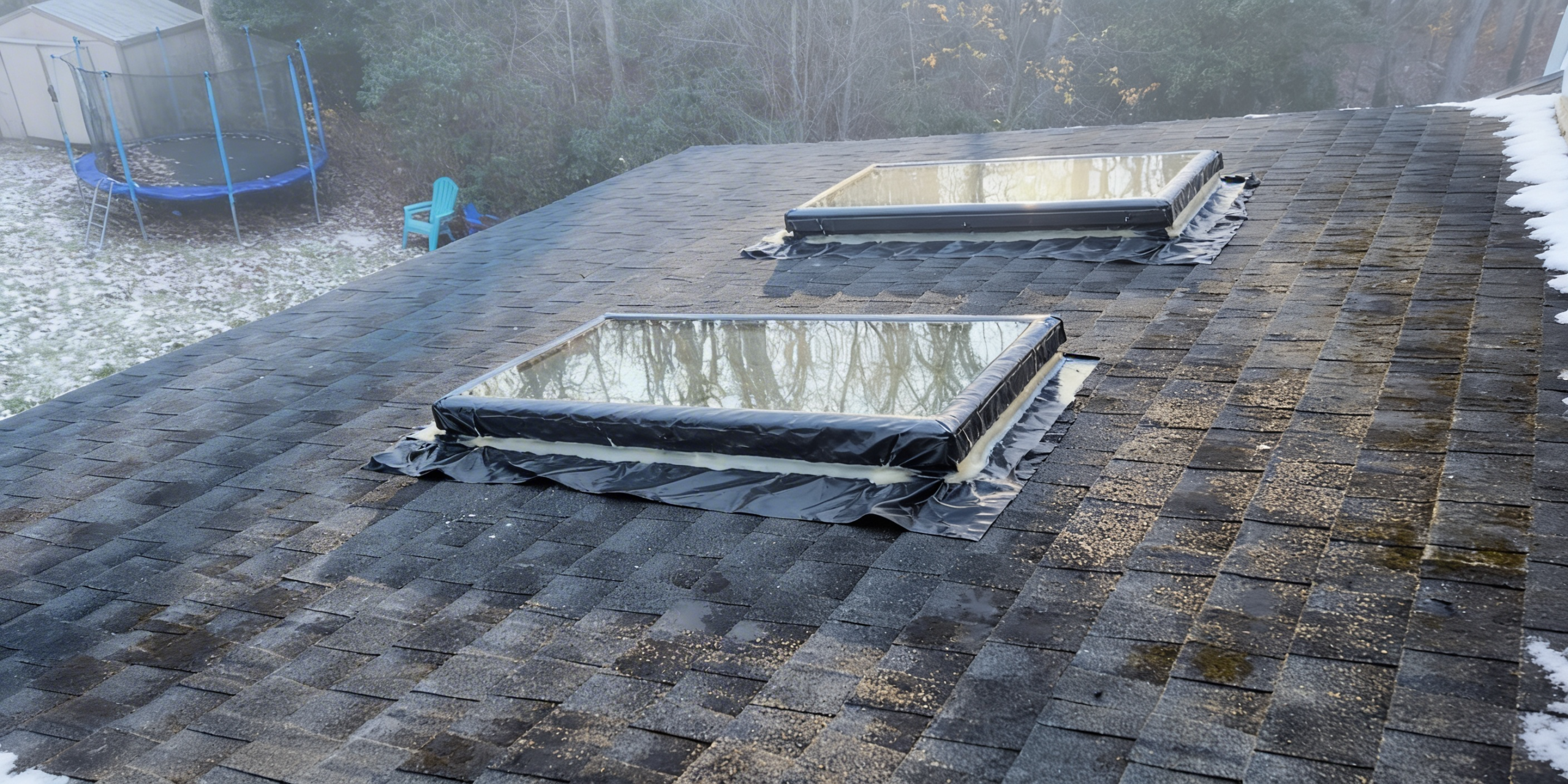
Skylights are prized architectural features in Philadelphia rowhomes, flooding dark interior stairwells, internal kitchens, and third-floor bedrooms with natural sunlight. However, because a skylight represents a large physical opening cut directly into your waterproof roof deck, it is inherently vulnerable to severe weather exposure. When property owners in Fairmount, Northern Liberties, or Center City notice dripping water, stained drywall, or cold drafts near a skylight, deciding how to proceed can be confusing. Determining whether the unit can be saved with a targeted flashing repair or requires complete replacement depends on identifying the exact source of the moisture.
Differentiating Between a Roof Leak and Indoor Condensation
Before assuming your skylight has suffered a mechanical failure, you must rule out indoor atmospheric condensation. Skylights are positioned at the highest point of a room, where warm, humid indoor air naturally rises. During cold Philadelphia winters, when warm interior air strikes the cold glass or acrylic surface of a skylight, moisture vapor instantly condenses into liquid water droplets.
This condensation can accumulate along the interior frame and drip onto the floor, mimicking an active roof leak. If dripping occurs primarily during very cold weather or immediately after running hot showers and cooking, excessive indoor humidity is the likely culprit. Improving room ventilation with exhaust fans and monitoring indoor humidity levels will resolve condensation without requiring roof work.
Analyzing Common Skylight Failure Points
When exterior rainwater is genuinely penetrating the building envelope, the failure typically originates in one of three distinct zones:
- Perimeter Flashing Failure: Skylights are integrated into low-slope or shingled roofs using metal step flashing and counter-flashing kits. Over years of thermal expansion, heavy snow accumulation, and ice damming, the sealants binding the flashing to the roofing membrane can crack, allowing water to drive underneath the metal.
- Insulated Glass Seal Failure: Modern skylights utilize dual-pane insulated glass sealed with argon gas. When the perimeter gasket bonding the two panes breaks down, outside air enters the cavity. This results in permanent, milky-white fogginess and moisture droplets trapped inside the glass panes that cannot be cleaned from either side.
- Cracked Glazing or Frame Fatigue: Older acrylic dome skylights become brittle after decades of ultraviolet solar exposure, developing hairline fractures. Similarly, wooden or aluminum perimeter frames can warp or separate at the mitered corners over time.
When Targeted Flashing Repair Is Sufficient
If the skylight glass remains crystal clear, the operating hinges function smoothly, and the unit is relatively young, a complete replacement is rarely necessary. In these instances, the moisture is usually entering through the surrounding roof interface rather than the skylight itself. A qualified roofing technician can carefully strip back the surrounding modified bitumen or shingle roofing, remove the deteriorated perimeter sealants, install a new, custom-matched metal flashing kit, and re-tie the waterproofing membrane seamlessly into the skylight curb. This targeted intervention restores the watertight integrity of your roof without the expense of replacing the actual fixture.
When Full Skylight Replacement Is the Superior Choice
Attempting to patch a failing skylight with tubes of silicone caulk is a temporary measure that almost always fails when seasonal temperatures shift. Complete replacement is the most cost-effective, long-term solution under the following circumstances:
- The Glass Is Foggy or Compromised: Once an insulated dual-pane glass seal fails, the thermal efficiency of the window is destroyed. The glass unit cannot be repaired; the entire skylight must be upgraded.
- The Unit Exceeds 15 Years of Age: Most residential skylights have a functional lifespan of 15 to 20 years. If your roof is undergoing a full replacement, replacing aging skylights simultaneously avoids tearing into a brand-new roof membrane a few years later when the old skylight inevitably fails.
- Upgrading Thermal Performance: Modern replacement skylights feature advanced Low-E (low-emissivity) glass coatings and argon gas fills. Adhering to U.S. Department of Energy skylight performance guidelines, modern units significantly reduce summer solar heat gain and minimize winter heat loss, lowering your year-round utility costs while protecting interior fabrics and hardwood floors from UV fading.
Whether you need a precision flashing retrofit on a historic home or a complete, high-efficiency installation, relying on professional skylight repair and replacement ensures that your roof penetrations are sealed using industry-approved techniques that protect your living space and preserve your natural light.
How can I tell if my skylight is leaking or just forming condensation? Condensation occurs on the inside glass surface during cold weather or after high-humidity activities like showering, and can be wiped away with a towel. A true roof leak typically occurs during or immediately after rainfall, causing water to drip from the surrounding drywall drywall shaft or ceiling trim.
Can a foggy, double-paned skylight be repaired without replacing it? No. Once the airtight seal between dual-pane insulated glass fails, moisture enters the sealed cavity and creates permanent internal fogginess. The glass unit or the entire skylight must be replaced to restore visual clarity and insulation value.
Why shouldn’t I just caulk around the outside of a leaking skylight? Standard exterior caulking is a temporary surface patch that breaks down rapidly under intense UV sunlight and building expansion. Proper waterproofing requires mechanical metal flashing woven directly into the surrounding roofing membrane.
Is it better to replace skylights when getting a new roof installed? Yes. If your skylights are over ten years old, replacing them during a full roof replacement is highly recommended. It allows roofers to integrate the new skylight flashing directly into the new roofing system, ensuring a single, unified waterproof warranty.