
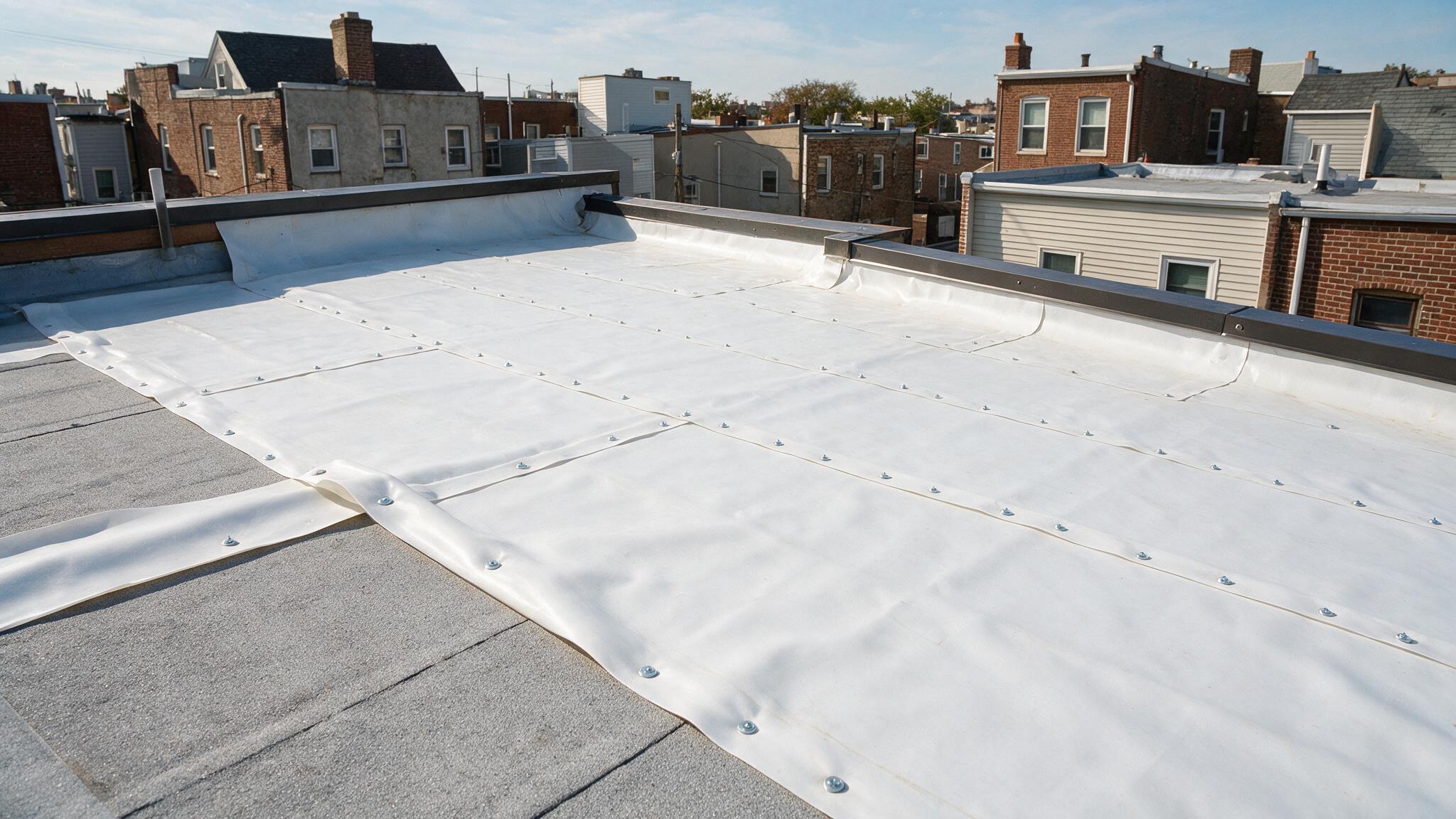
For property owners in Philadelphia, roof deck vapor barrier installation Philadelphia is usually not a one-detail decision. Low-slope roof assemblies can trap moisture when interior vapor drive, insulation placement, air leakage, and membrane layers are not coordinated. A successful project starts by understanding the existing building, the reason for the change, and the details that must remain accessible after the work is finished. Philly Roofing approaches this type of work with the full assembly in mind rather than treating the visible finish as the entire problem.
Define the Scope Before Work Starts
A vapor retarder is not automatically required in every assembly; the right location depends on the roof design, indoor conditions, insulation, and climate exposure. That first evaluation should be documented before a repair or remodel is priced as though every hidden condition is known. Related searches such as flat roof condensation control often point to the same need: verify how the existing assembly is working, where the weak point actually begins, and whether nearby components are contributing to the problem. This is also the stage to confirm access, sequencing, and any permit or inspection requirements that may apply to the planned scope.
Coordinate the Technical and Scheduling Details
Wet insulation loses performance and can contribute to blistering, corrosion, or deck deterioration even when the roof surface looks intact. Small coordination decisions made here can determine whether the finished work feels integrated or improvised. The same is true for polyiso insulation venting Philly; materials and components should be selected after dimensions, clearances, substrate condition, moisture or structural issues, and service access have been checked. When trades overlap, the drawings and field plan should show who is responsible for each transition so one finished layer does not conceal an unresolved issue from another trade.
Plan for Serviceability, Inspections, and Handover
Renovation planning should consider existing layers, insulation condition, penetrations, air sealing, and how the assembly will dry if moisture enters. A durable project is usually the result of solving the cause, building the layers in the correct order, and leaving the finished system maintainable. Homeowners across Fishtown, South Philadelphia, Port Richmond, Manayunk, and other Philadelphia neighborhoods should be cautious of a quick cosmetic fix when the evidence points to a deeper condition. The right scope may be localized, or it may justify broader work, but that decision should follow inspection rather than guesswork.
Plan the Next Step
If you are planning roof deck vapor barrier installation Philadelphia in Philadelphia, Philly Roofing can help evaluate the existing conditions, define a practical scope, and coordinate the work around long-term performance. Learn more about Flat Roof Repair & Replacement at https://phillyroofingpros.com/services/roof-renovation/ and schedule a project consultation before materials or demolition are finalized.
Helpful resource: National Roofing Contractors Association