
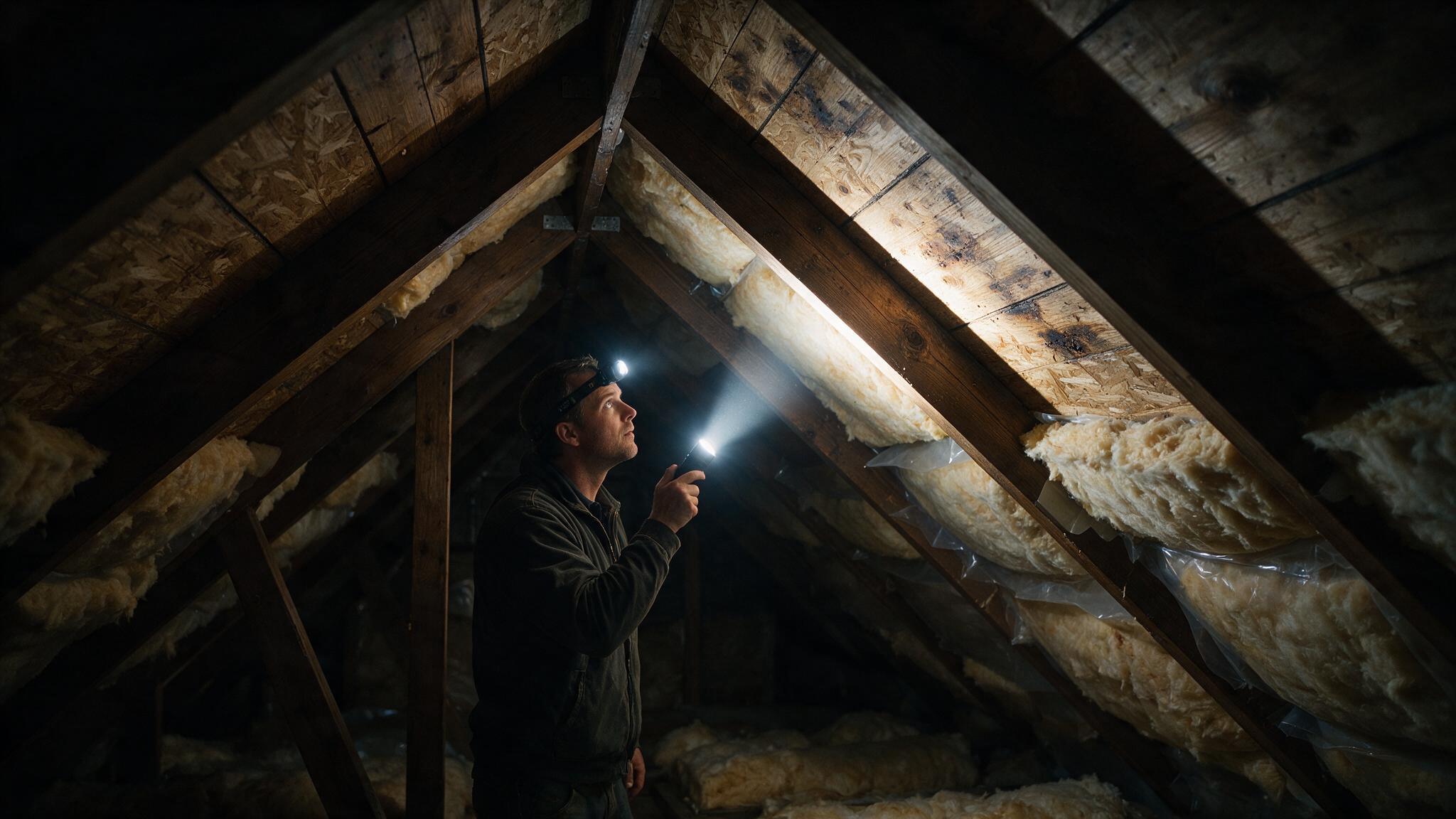
Purchasing a historic home in Germantown or Manayunk is an exciting milestone, but it comes with unique structural responsibilities. The roof is the most expensive and critical defensive component of the property. Standard real estate home inspectors are trained generalists; they view the roof from the ground with binoculars and rarely evaluate the complex building science occurring beneath the shingles. To truly understand the health, lifespan, and hidden liabilities of an aging roof system, property owners must invest in a specialized, dedicated roofing inspection.
Why a Standard Home Inspection Falls Short
A standard pre-purchase home inspection provides a great overview of a property, but it lacks the granular detail required to evaluate historic roofing materials or complex attic ventilation systems.
Evaluating Historic Slate and Tile
Germantown is renowned for its stunning, century-old slate roofs. Slate is incredibly durable, but the metal fasteners that hold the heavy stone tiles to the roof deck eventually rust and fail. A specialized roofing inspector physically walks the roof (or utilizes high-resolution drone photography for excessively steep or fragile slopes) to identify slipping slates, deteriorating metal valley flashing, and failing mortar on ridge caps. Understanding whether a slate roof needs a $2,000 tune-up or a $40,000 complete replacement is leverage that every home buyer must possess before closing the deal.
Asphalt Shingle Granule Loss and Fatigue
For standard asphalt shingle roofs, inspectors look for specific signs of advanced age. As shingles endure years of UV radiation, they lose the embedded ceramic granules that protect the asphalt layer beneath. An inspector checks the gutters for heavy granule runoff. They also look for “cupping” (when the edges of the shingles curl upward) or “clawing” (when the edges curl downward), both of which indicate the shingle has dried out, lost its wind resistance, and reached the end of its functional life.
The Importance of Attic Inspections
A professional roof inspection does not just happen on the outside; the most critical diagnostics take place inside the dark, dusty attic.
Detecting Hidden Structural Rot
The underside of the roof decking reveals the true story of the roof’s health. Inspectors look for dark water stains, white powdery mold, or rusty nails poking through the plywood. These are definitive signs that water is bypassing the shingles or that moisture is trapped inside the attic due to poor ventilation.
Evaluating Intake and Exhaust Ventilation
The lifespan of a roof is directly tied to how well the attic breathes. The American Society of Home Inspectors (ASHI) emphasizes that trapped attic heat bakes the asphalt shingles from the inside out, drastically reducing their lifespan and voiding manufacturer warranties. A professional roof inspector measures the ratio of soffit intake vents at the eaves to the ridge exhaust vents at the peak. If the attic is suffocating, installing proper ventilation baffles and ridge vents becomes the highest priority to protect the structural integrity of the home.
Leverage Knowledge for Your Investment
Whether you are buying a new home in Manayunk, preparing to sell your Germantown estate, or simply want an honest assessment of storm damage, knowledge is your strongest asset. A detailed inspection report provides photographic evidence, lifespan estimates, and clear budget projections for necessary repairs. To schedule a comprehensive roof inspection in Philadelphia, contact the specialists at Philly Roofing LLC. We provide the meticulous diagnostics you need to secure your property with total confidence.
FAQs:
- Do I need a separate roof inspection if I already paid for a standard home inspection? If the home inspector noted any issues with the roof, or if the roof is over 15 years old, a dedicated roof inspection is highly recommended. Roofing experts identify subtle flashing failures and ventilation issues that generalists frequently miss.
- Will the inspector walk on my historic slate roof? Generally, no. Walking on an aging slate roof causes extreme damage, cracking the brittle stone tiles. Professional inspectors use high-magnification cameras or drones to evaluate fragile historic roofs safely.
- What is a roof certification? A roof certification is a formal document provided by a licensed roofer stating that the roof has been inspected, repaired if necessary, and is guaranteed to function without leaking for a specific period (usually 2 to 5 years). This is often required by mortgage lenders.