
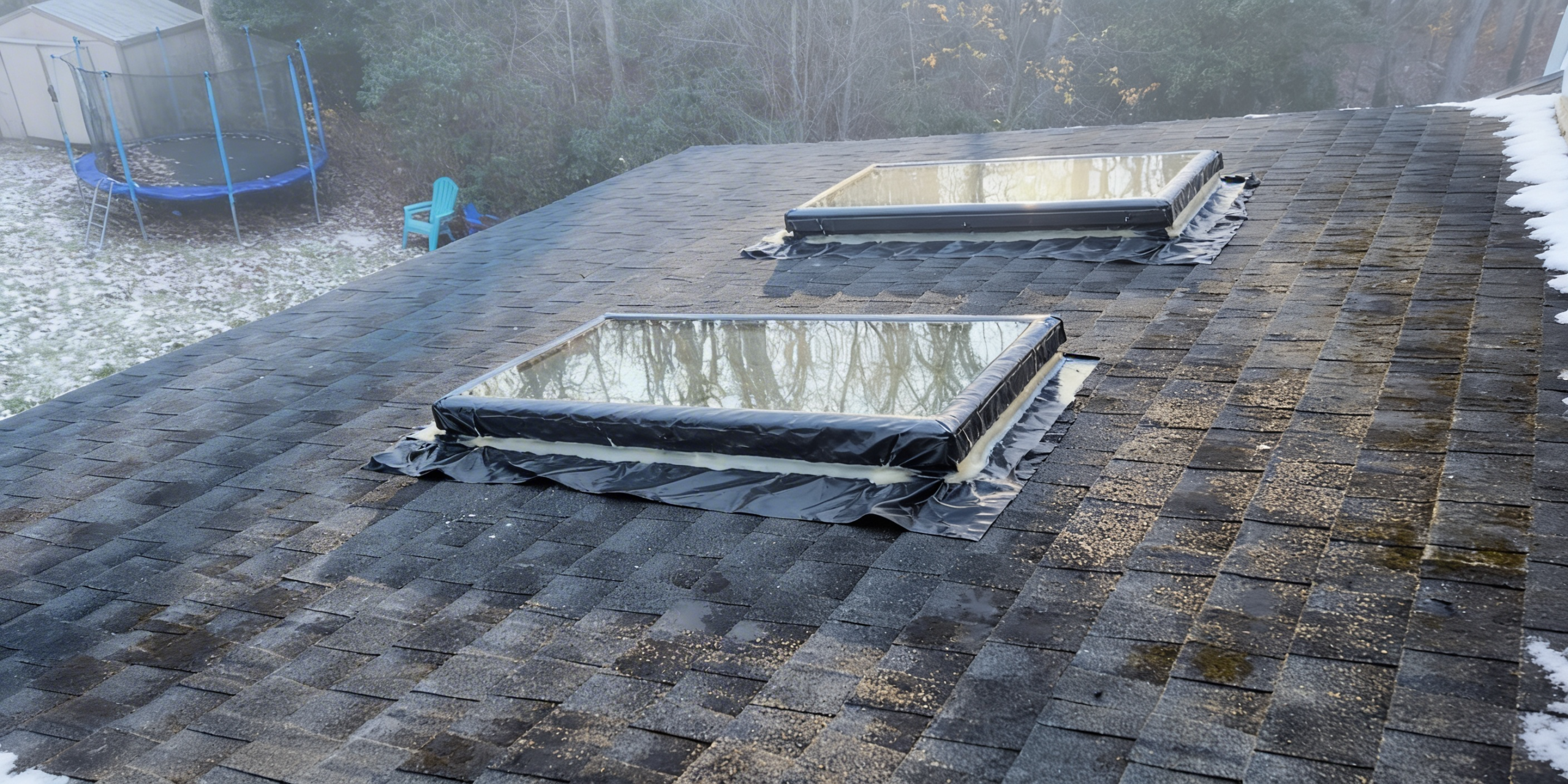
Skylights are incredible architectural features that flood the interior of historic West Philadelphia and Fairmount homes with natural, brilliant sunlight. However, because they are essentially windows installed at a harsh angle on the roof, they endure constant bombardment from UV rays, heavy rain, snow, and hail. When a skylight begins to leak or the glass becomes permanently foggy, homeowners must decide whether the unit can be salvaged with a targeted repair or if a complete replacement is required. Understanding the anatomy of a skylight failure helps you make a cost-effective, long-term decision.
Diagnosing the Problem: Is It Actually Leaking?
Before assuming the worst, it is crucial to determine if the water dripping from your ceiling is actually a roof leak. In many cases, it is simply condensation.
The Condensation Trap
Bathrooms and kitchens generate massive amounts of humidity. During a cold Philadelphia winter, this warm, moist air rises to the highest point in the room—the skylight. When the warm air hits the cold glass, it instantly condenses into liquid water, which drips down the drywall shaft and mimics a roof leak perfectly. If the dripping only occurs during or immediately after a hot shower, or during very cold weather without rain, condensation is the culprit. Improving the room’s mechanical ventilation (exhaust fans) will solve the issue without any roof repairs.
When Skylight Repair is the Right Option
If you have verified that rain is actually penetrating the building envelope, targeted repairs are possible under specific conditions.
Failing Flashing Kits
The most common cause of an actual skylight leak is the failure of the flashing system. Just like a chimney, a skylight must be integrated into the roof shingles using step flashing and a top head-flashing to shed water safely around the unit. If the metal flashing was installed incorrectly, or if the sealant has dried and cracked after a decade of sun exposure, water will seep under the shingles. A skilled roofer can remove the shingles surrounding the skylight, install a brand-new metal flashing kit, and re-shingle the area, rendering the existing unit watertight again.
Warning Signs That Replacement is Mandatory
While flashing can be replaced, structural failures of the glass or the unit’s frame dictate an immediate replacement.
Broken Seals and Foggy Glass
Modern skylights are constructed with dual-pane, insulated glass filled with argon gas. If the structural seal between these two panes of glass breaks, moisture from the outside air is sucked into the gap. This results in permanent, milky-white condensation or fogginess trapped inside the glass that cannot be wiped away. A broken seal ruins the thermal efficiency of the unit and obscures the view. The glass pane (or the entire unit) must be replaced.
Cracked Acrylic Domes
Older homes often feature acrylic “bubble” dome skylights rather than flat glass. Over many years of intense UV exposure, the acrylic plastic turns yellow, becomes extremely brittle, and develops micro-cracks (crazing). Once the plastic is cracked, it cannot be permanently sealed or repaired. Attempting to caulk a cracked dome is a waste of time; the thermal expansion will break the caulk line within a season.
The Benefits of Upgrading
If your skylight is over 15 years old and leaking, replacement is highly recommended. The U.S. Department of Energy (DOE) notes that upgrading to modern, energy-efficient skylights featuring Low-E (low-emissivity) glass coatings drastically reduces solar heat gain in the summer and prevents heat loss in the winter, significantly lowering your HVAC costs while blocking UV rays that fade your hardwood floors.
Ensure a Watertight Installation
A skylight is a hole in your roof; do not trust its installation or repair to an amateur. For accurate leak diagnostics and flawless flashing installation, rely on our team for specialized skylight repair in Philadelphia. Contact Philly Roofing LLC today to restore the brilliant natural light in your West Philadelphia or Fairmount home securely.
FAQs:
- Why is water dripping from my skylight even when it’s not raining? This is condensation. Warm, moist indoor air rises and hits the cold skylight glass, turning into liquid water. Improving indoor ventilation usually solves this issue.
- Can you replace a skylight without re-doing the roof? Yes. As long as the surrounding roof decking is not rotted, a professional roofer can carefully remove the shingles immediately around the skylight, install the new unit with a new flashing kit, and patch the shingles seamlessly.
- Are acrylic dome skylights better than flat glass? No. While acrylic domes were popular decades ago because they were cheap, they turn yellow, become brittle, and scratch easily. Modern flat-glass skylights are vastly superior in durability, energy efficiency, and clarity.